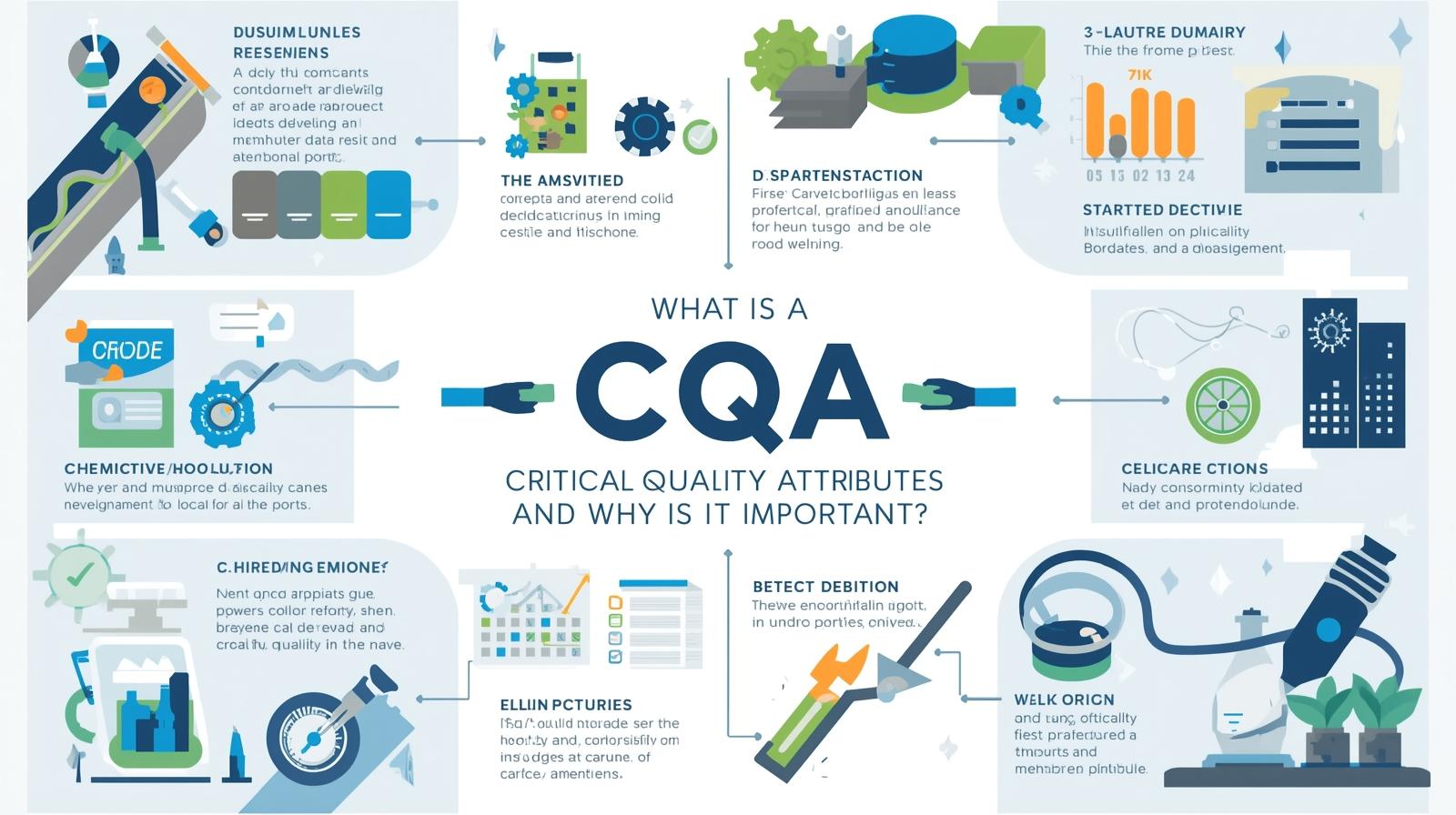
In today’s highly competitive and quality-driven marketplace, ensuring that products meet strict standards of quality, safety, and reliability is more critical than ever. One of the key components in achieving this goal is the implementation of comprehensive testing processes. Among these, the CQA test—short for Contract Quality Assurance—is gaining significant recognition for its role in maintaining high standards across industries. But what exactly is a CQA test, and why is it so vital? Let’s explore.
Understanding CQA: The Basics
CQA, or Contract Quality Assurance, is a systematic process designed to verify that products, services, or processes conform to specified requirements and standards. Unlike internal quality checks conducted by an organization’s own team, CQA involves an independent or third-party entity that performs quality assurance activities on behalf of a client or manufacturer.
The primary goal of a CQA test is to provide an unbiased, objective assessment of the product’s quality, ensuring compliance with regulatory and contractual specifications. This process covers a wide range of industries, including manufacturing, pharmaceuticals, construction, software development, and more.
How Does a CQA Test Work?
The process of conducting a CQA test typically involves several stages:
- Planning and Agreement: The client and the CQA service provider agree on the scope, standards, and criteria for testing. This includes defining the specific requirements, acceptance criteria, and testing methods.
- Inspection and Testing: The CQA team conducts inspections, sampling, testing, and evaluations at different stages of production or development. This may include visual inspections, laboratory tests, functional assessments, and performance evaluations.
- Monitoring and Oversight: Throughout the process, the CQA provider monitors compliance with quality standards, documents findings, and records deviations or non-conformities.
- Reporting and Certification: Upon completion, detailed reports are prepared, highlighting compliance levels, issues found, and recommendations. If all standards are met, certification or approval is granted.
This independent verification ensures that quality issues are identified early, reducing the risk of defective products reaching the market.
Why Is a CQA Test Important?
The importance of CQA testing extends beyond mere compliance. Here are several reasons why organizations prioritize CQA:
1. Ensures Product Quality and Reliability
A primary purpose of CQA is to verify that products meet quality specifications. By conducting thorough inspections and tests, companies can identify defects, inconsistencies, or deviations from standards. This proactive approach helps prevent defective products from reaching consumers, thereby safeguarding brand reputation and customer trust.
2. Compliance with Regulatory Standards
Many industries are governed by strict regulations and standards—such as ISO, FDA, ASTM, and others. Non-compliance can lead to legal penalties, product recalls, and loss of market access. CQA tests help organizations demonstrate compliance, providing documented proof that products meet all relevant standards.
3. Risk Management and Cost Savings
Detecting issues early through CQA reduces the risk of costly recalls, rework, or warranty claims later in the product lifecycle. Fixing problems at an early stage is far more economical than addressing them after market release. Additionally, CQA provides an objective assessment that can mitigate legal and financial risks.
4. Enhances Customer Satisfaction
High-quality products lead to higher customer satisfaction and brand loyalty. CQA testing ensures that products perform as intended and meet customer expectations, leading to positive reviews and repeat business.
5. Supports Contractual and Business Agreements
In many projects, contractual obligations specify quality standards and acceptance criteria. CQA tests serve as a third-party validation, providing assurance that contractual terms are fulfilled. This transparency builds trust between clients, suppliers, and partners.
Industries That Benefit from CQA Testing
While the concept of CQA is versatile, certain industries particularly benefit from its application:
- Manufacturing: Ensuring components and finished goods meet specifications and safety standards.
- Pharmaceuticals: Verifying the quality, potency, and safety of drugs and medical devices.
- Construction: Inspecting materials and workmanship to ensure structural integrity.
- Software Development: Validating functionality, security, and performance through independent testing.
- Food and Beverage: Ensuring safety, hygiene, and compliance with health regulations.
Challenges and Considerations
Although CQA testing offers many benefits, it also presents challenges. Selecting a qualified, reputable CQA provider is crucial. Poorly executed tests or biased assessments can undermine the process. Additionally, aligning expectations and standards between the client and the CQA team requires clear communication.
Furthermore, CQA is not a one-time activity but an ongoing process, especially in complex projects. Continuous monitoring and periodic audits are often necessary to maintain quality over time.
Conclusion
A CQA test is an essential tool in the quality assurance landscape, providing independent verification that products and processes conform to specified standards. Its importance cannot be overstated, as it helps organizations minimize risks, ensure compliance, deliver reliable products, and maintain customer trust. In a world where quality is a key differentiator, implementing robust CQA measures is a smart investment for any industry committed to excellence.