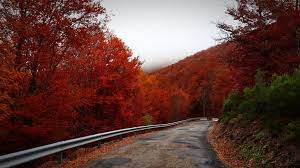
In an era where much of the world has been mapped, explored, and developed, the allure of untouched wilderness remains irresistible. Among these uncharted territories lies Daskusza — a mysterious frontier that beckons explorers, adventurers, and researchers alike. The Daskusza exploration is not just a journey into unfamiliar lands; it is an expedition into the very heart of nature’s untouched beauty, revealing secrets that have remained hidden for centuries.
The Enigma of Daskusza
Daskusza is a relatively obscure region, tucked away in a remote corner of the world. Its precise location is shrouded in mystery, with only faint maps and anecdotal reports hinting at its existence. Unlike popular adventure destinations, Daskusza has remained largely untouched by modern civilization. Dense forests, towering mountain ranges, and pristine rivers define its landscape. For centuries, this untouched frontier has been a playground for indigenous communities, but it has largely evaded the eyes of explorers and scientists.
What makes Daskusza particularly fascinating is its rich biodiversity. The region is believed to be home to countless endemic species — plants, animals, and insects that are found nowhere else on Earth. Its ecological significance is immense, serving as a natural laboratory for scientists seeking to understand ecosystems that have remained unaltered by human activity.
The Drive to Explore
The motivation behind exploring Daskusza stems from a desire to understand and preserve the planet’s remaining untouched environments. As climate change and human encroachment threaten natural habitats worldwide, initiatives to explore and document these pristine areas have gained momentum. Daskusza represents a rare opportunity to study an ecosystem in its purest form, offering insights into natural processes that have persisted through centuries.
Moreover, the exploration of Daskusza is driven by the spirit of adventure. For many explorers, venturing into unknown territories is a test of resilience, curiosity, and the human spirit. The region’s remoteness presents logistical challenges — difficult terrain, unpredictable weather, and the need for specialized equipment — making it a true test for seasoned explorers.
Challenges of Daskusza Exploration
Embarking on an expedition to Daskusza is no small feat. The region’s inaccessibility requires meticulous planning and resourcefulness. The lack of established infrastructure means explorers must be self-sufficient, carrying supplies and equipment for extended periods. Navigational challenges are significant, with dense forests and rugged mountains obscuring paths and landmarks.
Environmental preservation also poses a concern. It is crucial that exploration efforts do not disturb the fragile ecosystems that make Daskusza unique. Responsible exploration involves minimizing ecological footprints, working with local indigenous communities, and adhering to conservation principles.
Additionally, safety is a primary concern. Remote regions often mean limited access to medical facilities, and explorers must be prepared for potential emergencies, including encounters with wildlife or sudden weather changes.
Discoveries and Unveiled Secrets
Despite these challenges, recent exploratory missions have begun to unveil Daskusza’s hidden wonders. Teams of scientists and adventurers have documented new plant species, some with potential medicinal properties. Unique bird calls and animal behaviors have been observed, offering a glimpse into the region’s complex ecosystem.
Perhaps most exciting are the archaeological findings. Early expeditions have uncovered ancient artifacts and cave paintings, suggesting that Daskusza was once inhabited by indigenous peoples whose history predates modern records. These discoveries provide valuable insights into the region’s cultural significance and history.
Furthermore, the region’s untouched landscapes serve as a vital baseline for studying natural environmental processes. Researchers are analyzing soil samples, climate data, and ecological interactions to understand how pristine ecosystems function and how they can be preserved in the face of global changes.
The Future of Daskusza Exploration
Looking ahead, the exploration of Daskusza is poised to expand with advancements in technology. Drones, satellite imaging, and remote sensing tools enable explorers to survey large areas without intrusive physical presence. These innovations help identify promising sites for further investigation while minimizing environmental impact.
Collaborations with local communities and governments are essential to ensure sustainable exploration. By involving indigenous peoples and respecting their knowledge and rights, explorers can foster a mutually beneficial relationship that promotes conservation and cultural preservation.
Education and awareness also play a crucial role. Sharing discoveries from Daskusza can inspire global efforts to protect other untouched regions. Documentaries, scientific publications, and eco-tourism initiatives can raise awareness about the importance of safeguarding our planet’s last wild frontiers.
Conclusion
Daskusza exploration is more than an adventure; it is a vital quest to understand and preserve a piece of the Earth’s natural heritage. As explorers continue to uncover its secrets, Daskusza stands as a testament to the resilience and beauty of untouched wilderness. In a world increasingly shaped by human activity, these hidden wonders remind us of what we stand to lose and the importance of protecting our planet’s last pristine frontiers.
The journey into Daskusza is ongoing, and each discovery brings us closer to understanding the profound complexity of our natural world. It is an exploration that inspires curiosity, respect, and a commitment to conservation — ensuring that the wonders of Daskusza remain safeguarded for generations to come.